
The Texas Weather Shock: What New Homeowners Aren’t Ready For
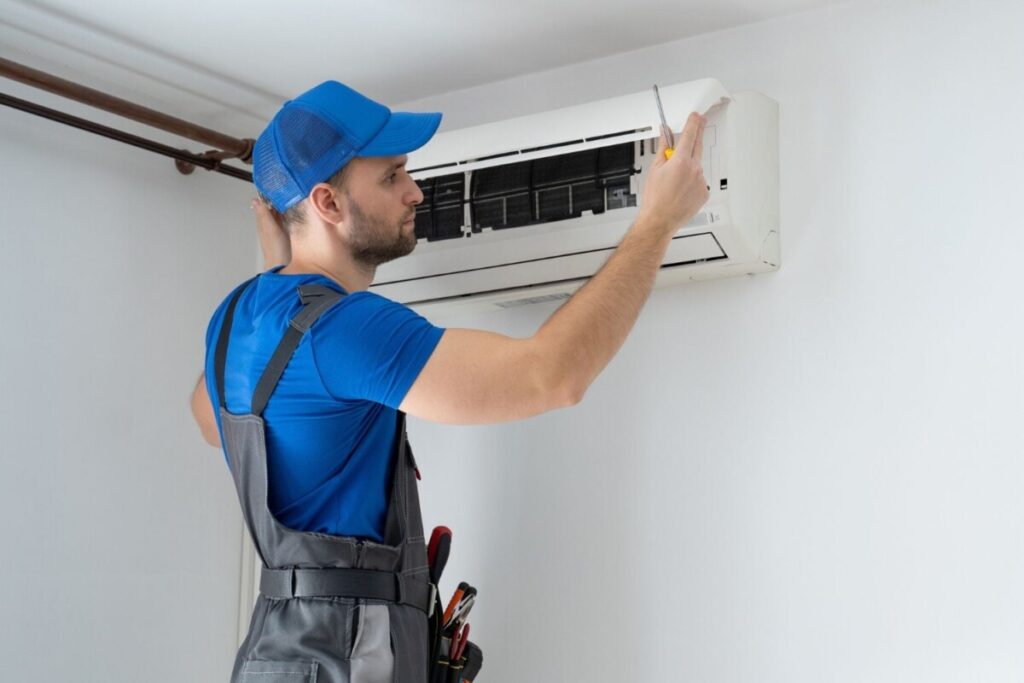
AC repair in Austin
Texas weather is a bit of a circus. It’s the friend who shows up in a tank top in the morning, a parka at lunch, and flip-flops by dinner, all while complaining about the heat and the cold in the same breath. People moving to Texas for the big skies and bigger houses often aren’t ready for how that weather shapes daily life, your home, and your wallet.
If you’re buying in Texas, you’re signing up for a front-row seat to hail season, flooding, droughts, and the occasional tornado siren that makes your dog lose its mind. Before you get stuck paying for mistakes that could’ve been avoided with a little planning, let’s break down what you need to know about Texas weather before you buy that ranch house with the wraparound porch you’ve been daydreaming about.
Those Hail Storms Aren’t Cute
People new to Texas think “hail” means a few harmless ice pebbles bouncing off the driveway. Try softball-sized hail that can shatter your skylights, pummel your roof into submission, and dent your car in under five minutes. Hail season here isn’t something you watch through the window while sipping coffee; it’s something you brace for with your insurance agent on speed dial.
Before you buy, get a roof inspection that actually looks for prior hail damage. Insurance claims from past owners don’t always tell the whole story, and you don’t want to discover leaks during your first thunderstorm. Metal roofs hold up better than shingles in many areas, but you’ll want to confirm local storm patterns to know what makes sense for your future home.
If the house comes with big trees over the driveway, weigh the shade against the risk of heavy branches crashing down during a wind-driven hail storm. It’s not a dealbreaker, but it’s worth planning for before your first Texas spring.
Heat That Hits Different
People hear “hot” and think of summer in Arizona or a sticky Florida afternoon, but Texas heat carries its own personality, especially when your AC isn’t cutting it in July. It’s not just hot; it’s relentless, humid in many parts of the state, and can send your electric bill into the stratosphere if your house isn’t prepped.
New homeowners learn fast that heat impacts everything: your lawn, your energy costs, and even what kind of car you want to park in your driveway. If your home has older windows or a tired HVAC system, that’s not just a minor inconvenience; it can turn your summer into a sweat-drenched, budget-breaking slog.
Investing in AC repair in Austin, San Antonio or wherever you’ve moved is not a luxury; it’s survival. Before you buy, ask how old the unit is, what the insulation situation looks like, and whether the windows are double-paned. If they’re not, factor upgrades into your budget. It’s worth every penny when you’re not drenched in sweat trying to sleep at night.
Floods Happen Where You Don’t Expect Them
People assume you only need to worry about flooding if you’re near the coast or a river. Texas laughs at that logic. Houston’s epic floods taught a lot of people that even a suburban street with good drainage can become a river overnight when storms stall over your neighborhood.
Check FEMA flood maps, but don’t stop there. Ask neighbors, look up past flooding events, and understand how your neighborhood’s drainage works. In many parts of Texas, heavy rain hits dry, cracked soil that can’t absorb water fast enough, leading to sudden pooling around your foundation.
Flood insurance is a conversation you need to have before you sign on the dotted line, even if your lender doesn’t require it. It’s cheaper when you buy it before there’s ever been a claim on the property, and it can save you from financial ruin after a so-called “500-year flood” that seems to happen every couple of years in parts of Texas.
Winter Isn’t What You Expect
Texas winter is confusing. One day it’s 70 degrees, and the next day your pipes are frozen, and the grocery store shelves are empty because everyone panic-bought bread and water. The February 2021 freeze taught Texans that snow days can turn into power outages, burst pipes, and boiling water on the stove just to have something safe to drink.
Before you buy, ask how the home is prepped for freezes. Are pipes insulated? Do you know how to shut off your water main if you need to? Does the home have a fireplace you can use safely if the power goes out?
People think Texas doesn’t have winter problems, but we do, just in our own chaotic way. A good Texas lifestyle blogger will tell you to keep an emergency kit, store a few gallons of water, and know how to keep your home safe when temperatures plunge. These aren’t overreactions; they’re how you stay comfortable when the grid gets overwhelmed, and your home is your lifeboat for a few days.
Your Energy Bill Can Be Wild
Moving to Texas, you’ll hear about deregulated electricity markets, and you might think it’s a good thing because you get to “shop around.” It can be, but it also means price spikes if you’re not careful, and many new homeowners learn this lesson the hard way during their first extreme weather event.
Look into fixed-rate energy plans, not just the cheapest plan you see online, and read the fine print. A storm or heatwave can mean higher prices if you’re on a variable-rate plan, and those bills can hit at the worst possible moment. Texas homes that aren’t energy-efficient can chew through electricity when it’s hot, and that’s often when rates spike.
Check attic insulation and weather stripping on doors before you buy. It may sound boring, but it keeps your home cooler in the summer and warmer in the winter while keeping your energy bill from looking like a car payment. New buyers often forget to budget for these tweaks, but they pay off fast in Texas.
Staying Grounded
Texas will charm you with sunsets and friendly neighbors, but the weather doesn’t care about your moving plans. It’s unpredictable, sometimes extreme, and always worth respecting. Owning a home here means preparing for hail, heat, floods, freezes, and utility realities that are part of the deal.
That’s not a reason to run; it’s a reason to walk in prepared. You’ll appreciate your home more when you know it can handle what Texas throws at it, and you’ll settle in without the shock that comes when you realize your new state’s weather has a mind of its own.