
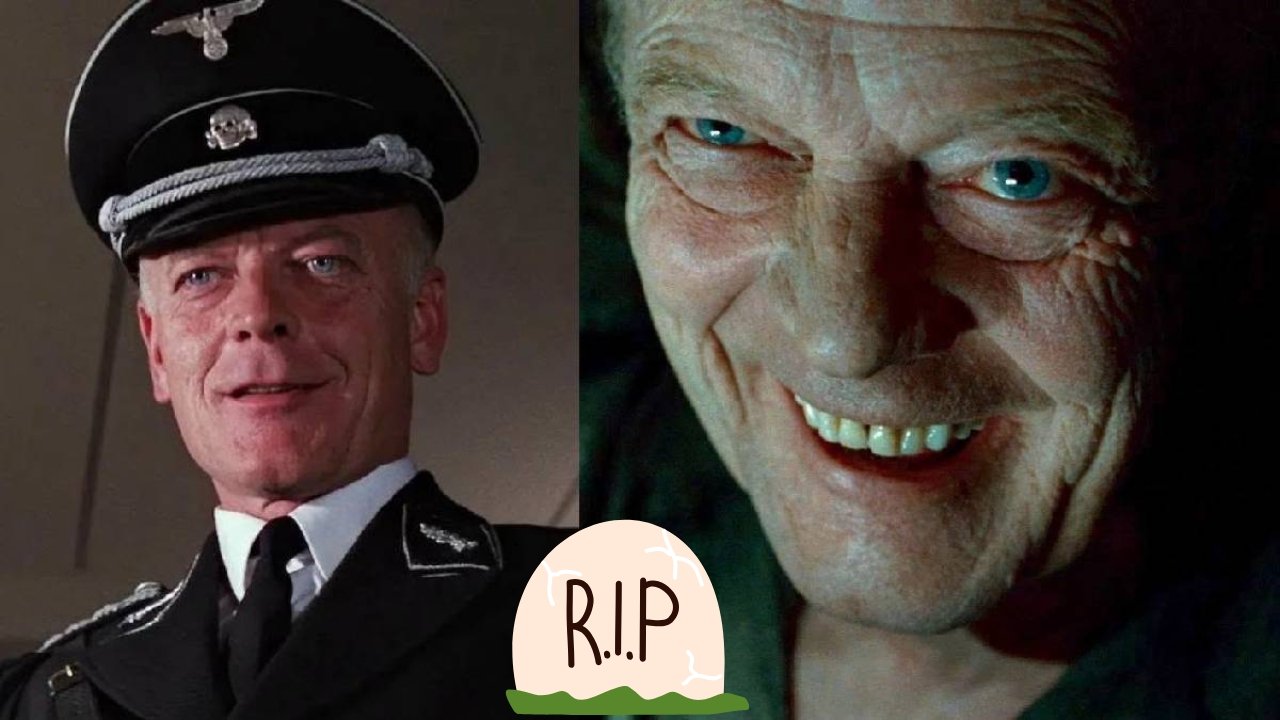
British character actor Michael Byrne, whose face graced some of cinema’s most beloved and iconic productions over six remarkable decades, passed away on June 20, 2026. He was 82 years old. The Guardian first reported the news, though no cause of death has been made public. Byrne leaves behind a legacy that stretches across stage and screen, touching the hearts of audiences who grew up watching him embody some of Hollywood’s most memorable villains and complex supporting roles. He is survived by his wife, actress Carole Nimmons — whom he married in 1965 — their two daughters, Tara and Bryony, and three grandchildren, Tom, Chloe, and Jasmine.
From London’s Old Vic to Hollywood’s Biggest Sets
Born on November 7, 1943, in Hampstead, north London, Michael Byrne trained at the Central School of Speech and Drama before launching a stage career in 1963. He quickly found his footing at the prestigious National Theatre Company at the Old Vic, working alongside legends such as Laurence Olivier, Maggie Smith, and Robert Stephens. That early grounding in classical theatre gave Byrne a depth and gravity that would define every performance he delivered for the next 60 years. In 1971, he appeared on the West End in Butley alongside Alan Bates, a production directed by Harold Pinter, and the trio reunited for the 1974 film adaptation. It was this seamless transition between stage craft and screen presence that made Byrne one of British acting’s most trusted names.
A Career Built on Iconic Roles Across Generations
Most audiences know Michael Byrne from two franchise-defining performances that sit at opposite ends of the fantasy spectrum. In 1989, Steven Spielberg cast him as the ruthless Nazi officer Colonel Ernst Vogel opposite Harrison Ford and Sean Connery in Indiana Jones and the Last Crusade — a role that cemented his reputation as a compelling screen antagonist. Two decades later, he returned to franchise cinema in Harry Potter and the Deathly Hallows: Part 1 (2010), playing the aged and imprisoned dark wizard Gellert Grindelwald. Both roles demanded a commanding presence without the luxury of excessive screen time, and Byrne delivered each time.
His filmography, which exceeds 160 screen credits, reads like a tour through the past half-century of great British and Hollywood cinema.
| Film / Project | Year | Role |
|---|---|---|
| Indiana Jones and the Last Crusade | 1989 | Colonel Ernst Vogel |
| Braveheart | 1995 | English Soldier |
| Tomorrow Never Dies | 1997 | Admiral Kelly |
| Gangs of New York | 2002 | Supporting Role |
| Harry Potter and the Deathly Hallows: Part 1 | 2010 | Gellert Grindelwald |
| Diana | 2013 | Dr. Christiaan Barnard |
| Coronation Street | 2008–2010 | Ted Page (67 episodes) |
The War Films That Defined a Decade
Long before he faced off with Indiana Jones, Michael Byrne spent much of the 1970s building an impressive body of work in World War II cinema. He appeared in John Sturges’ The Eagle Has Landed in 1976, alongside Michael Caine, Donald Sutherland, and Robert Duvall. The following year brought Richard Attenborough’s sweeping epic A Bridge Too Far, and in 1978 he starred in Force 10 from Navarone — which also featured Harrison Ford, making it a remarkable precursor to their later collaboration in Indiana Jones. These films were not small productions. They were major international efforts, and Byrne’s consistent presence in them spoke volumes about the trust directors placed in his abilities. He brought authenticity and discipline to every wartime role, never leaning into caricature when restraint served the story better.
Television, Stage, and the Final Years
Beyond the silver screen, Michael Byrne maintained a rich and active career on British television. He is perhaps best remembered by soap opera fans for his 67-episode run on Coronation Street from 2008 to 2010, where he played Ted Page, the long-lost ex-lover of Audrey Roberts and biological father of Gail Platt. The role brought him into millions of British living rooms week after week, and it showed a warmer, more nuanced side of an actor so often cast as the threatening presence in the room. He also appeared in Midsomer Murders, Bodies, American Rust, and The Living and the Dead, among others. In 2010, he took on the role of Romeo opposite Sian Phillips as Juliet at Bristol Old Vic — proof that even in his late 60s, Byrne remained committed to challenging, classical work. His final screen appearance came in a 2023 episode of the comedy-drama series The Phoebus Files, closing a career that spanned more than six remarkable decades without ever losing its edge.
A Legacy That Spans Generations of Cinema
What made Michael Byrne special was not any single role, but the sheer consistency and craft he brought to every project he touched. Over 60 years, he shared the screen with Harrison Ford, Sean Connery, Mel Gibson, Pierce Brosnan, Ian McKellen, and Anthony Hopkins — and held his own in every scene. He was never the loudest name on the poster, but he was often the actor you remembered most clearly when the credits rolled. He represented a generation of British performers who understood that great acting is a lifelong discipline, not a fleeting ambition. For fans of Indiana Jones, Harry Potter, Braveheart, or Coronation Street, his face belongs to some of the most treasured moments in modern entertainment. Michael Byrne gave audiences more than six decades of dedicated, brilliant work, and that is a legacy worth celebrating.
FAQs
Q: When did Michael Byrne pass away?
A: He died on June 20, 2026, at the age of 82.
Q: What is Michael Byrne best known for?
A: He is best known for playing Colonel Ernst Vogel in Indiana Jones and the Last Crusade and Grindelwald in Harry Potter and the Deathly Hallows: Part 1.
Q: Did Michael Byrne work on television as well?
A: Yes, he appeared in 67 episodes of Coronation Street and various other British TV shows.
Q: Who does Michael Byrne leave behind?
A: He is survived by his wife Carole Nimmons, two daughters, and three grandchildren.
Karl Stefanovic Parts Ways With ARN: The Rise and Fall of The Long Weekend Radio Show