
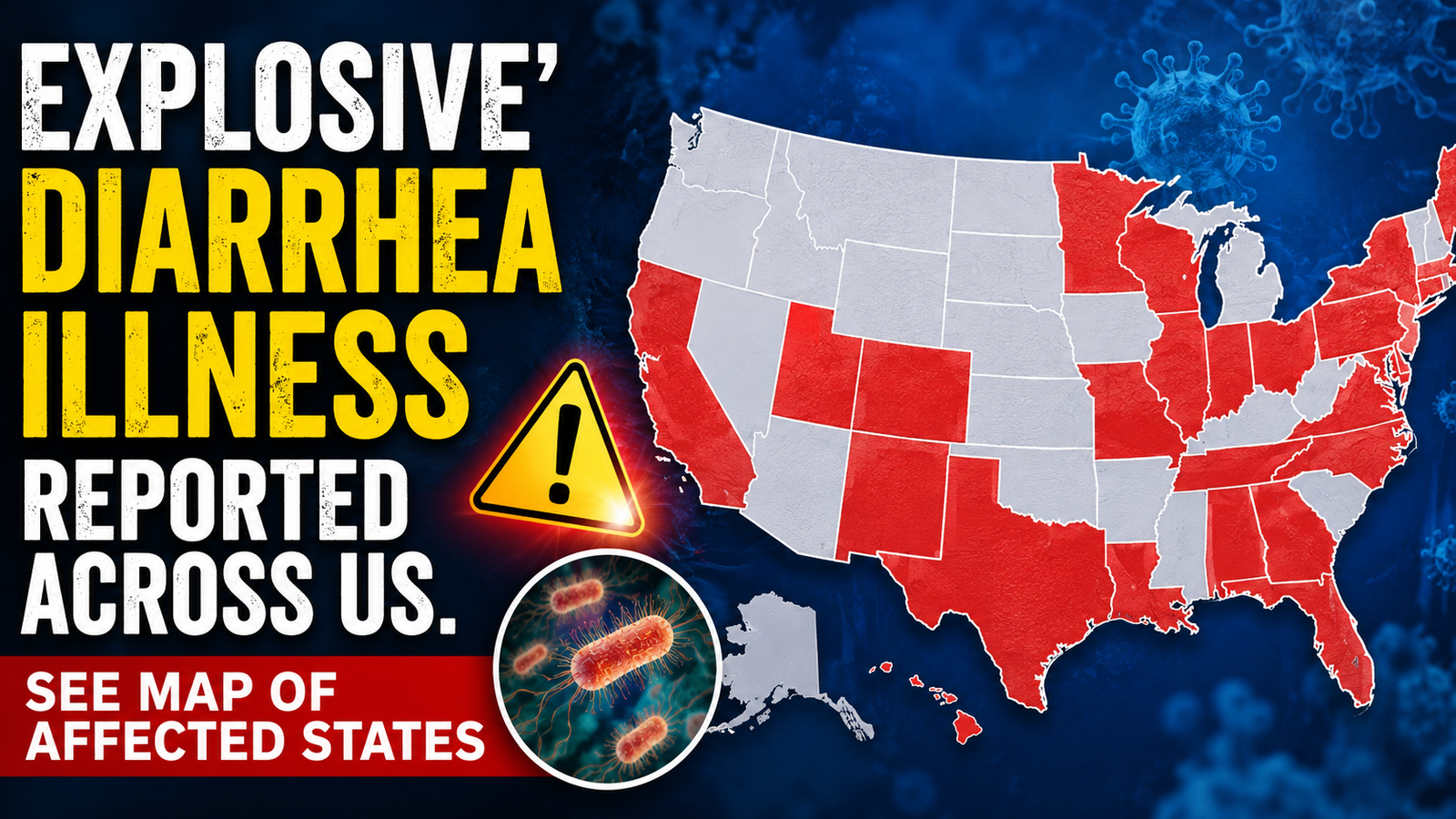
A gastrointestinal parasite most Americans have never heard of is quietly spreading across the country this summer, and health officials say the confirmed numbers are almost certainly a fraction of the real total. As of mid-June 2026, the CDC had logged 145 cases of cyclosporiasis acquired within the United States among people who became sick between May 1 and June 16, 2026. Separately, Michigan health authorities have identified over 170 additional cases concentrated in seven counties in the state’s southeast, a spike so far outside the norm that officials there called it “large and growing.” Cyclosporiasis is caused by Cyclospora cayetanensis, a microscopic parasite that typically hitches a ride on fresh produce and causes days or even weeks of watery, sometimes explosive diarrhea. What makes this outbreak worth paying attention to isn’t just the case count, it’s how easily the infection slips past standard medical testing.
Why So Many Cases Are Being Missed
The core problem, according to clinicians tracking the outbreak, is that Cyclospora doesn’t show up on a routine stool culture. Most hospital and clinic labs only test for it when a doctor specifically requests it, which means patients with a week or more of unexplained diarrhea are frequently told they have a lingering stomach virus when they actually have a treatable parasitic infection. Public health messaging has centered on exactly this gap: anyone with watery diarrhea lasting more than a few days that isn’t explained by a typical bacterial cause should ask their provider directly about Cyclospora testing. Because so many mild or self-resolving cases never get that specific test, epidemiologists widely agree the true national total is running well above the official count.
Where the Outbreak Stands
So far, cases have turned up in Alaska, Colorado, Connecticut, Florida, Georgia, Louisiana, Massachusetts, New Jersey, North Carolina, Ohio, Pennsylvania, Tennessee, Virginia and Wisconsin, in addition to the three hardest-hit states. Notably, none of the 145 confirmed patients reported traveling internationally in the two weeks before falling ill, which points investigators toward a domestic food source rather than travel-related exposure. Even so, federal officials say there is currently no evidence linking all the cases to a single, multistate outbreak — it may turn out to be several smaller, unrelated clusters rather than one contaminated shipment moving through the supply chain. Traceback investigators have not yet confirmed a specific food product or supplier, even though prior Cyclospora outbreaks have repeatedly been tied to fresh cilantro, basil, and bagged salad greens.
A Quick Look at the Numbers
| Measure | Domestic cases | Travel-related cases |
|---|---|---|
| Total confirmed | 145 | 45 |
| Hospitalizations | 20 | 3 |
| Deaths | 0 | 0 |
| Age range | 5–86 years | 17–89 years |
| Median age | 42 | 43 |
| Share female | 61% | 62% |
Source: CDC surveillance data through June 16, 2026
What Symptoms Actually Look Like
Cyclosporiasis doesn’t behave like typical food poisoning, which usually hits within hours and clears up within a day or two. This parasite tends to work on a slower, longer timeline. The dominant symptom is frequent, watery diarrhea, sometimes accompanied by cramping, bloating, nausea, fatigue, and a noticeable loss of appetite. Left untreated, the illness can drag on anywhere from several days to more than a month, and it has an unusual habit of appearing to improve before flaring back up again as the parasite continues cycling through the intestinal tract. That relapsing pattern is itself a clue physicians use to suspect Cyclospora over a garden-variety stomach bug. The good news is that treatment, once the diagnosis is made, is straightforward: a course of the antibiotic combination trimethoprim-sulfamethoxazole, sold as Bactrim, clears the infection in most people. Over-the-counter antidiarrheal medication can ease symptoms in the meantime but won’t eliminate the parasite itself.
Protecting Yourself This Summer
Because the source of this year’s outbreak hasn’t been pinned down, there’s no specific product to avoid the way there would be during a confirmed recall. Instead, the practical advice mirrors standard produce safety: rinse fresh fruits, vegetables, and herbs thoroughly before eating, be cautious with pre-washed bagged greens and herb mixes, and pay closer attention if you’re consuming a lot of raw cilantro, basil, or salad kits during peak season. Cyclosporiasis follows a predictable calendar in the US, running from May through August, with cases historically declining once fall arrives. If you or someone in your household develops diarrhea that lasts beyond a few days, doesn’t respond to typical home care, or keeps coming back after seeming to improve, it’s worth a direct conversation with a healthcare provider about ordering a Cyclospora-specific test rather than assuming it will simply pass.
Quick Answers
Is cyclosporiasis contagious person to person?
Not typically; it spreads mainly through contaminated food or water.
Can a normal stool test catch it?
No, it usually requires a specific test request.
How is it treated?
With the antibiotic trimethoprim-sulfamethoxazole (Bactrim).
Has anyone died from this outbreak?
No deaths have been reported so far.
Minnesota’s Grip of Heat and Humidity: What to Expect as Storm Season Heats Up