
Solar Panels: Their Profound Impact on the Environment
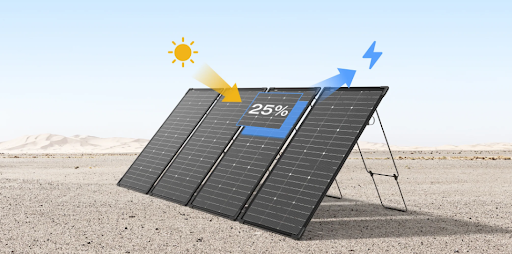
solar panels
In the ongoing quest for sustainable energy solutions, solar panels have emerged as a powerful ally in the fight against environmental degradation. As the world grapples with the consequences of climate change, air pollution, and the depletion of fossil fuels, solar energy offers a clean, renewable alternative. Solar panels have the potential to reshape the global energy landscape and significantly reduce humanity’s ecological footprint. From generating electricity without emitting greenhouse gases to conserving precious natural resources, their impact on the environment is far – reaching. This article will delve into the various ways solar panels influence the environment, highlighting both their positive contributions and areas that still require attention.
Reducing Greenhouse Gas Emissions
Zero – Emission Power Generation
One of the most significant environmental benefits of solar panels is their ability to generate electricity without emitting greenhouse gases. Unlike fossil fuel – based power plants that release large amounts of carbon dioxide (CO₂), methane (CH₄), and other pollutants during combustion, solar panels convert sunlight into electricity through a silent, chemical – free process. For every megawatt – hour of electricity produced by solar panels instead of coal – fired power plants, approximately one metric ton of CO₂ emissions can be avoided. As the adoption of solar panels increases globally, the cumulative reduction in greenhouse gas emissions is substantial. This helps mitigate the effects of climate change, such as rising global temperatures, sea – level rise, and extreme weather events. By replacing traditional energy sources with solar power, we can take a major step towards achieving a carbon – neutral future.
Long – Term Climate Change Mitigation
The widespread use of solar panels contributes to long – term climate change mitigation efforts. As more solar energy systems are installed on rooftops, in solar farms, and in various other settings, the reliance on fossil fuels decreases. This reduction in fossil fuel consumption not only cuts down on immediate emissions but also helps break the cycle of environmental degradation associated with their extraction, transportation, and use. Moreover, the growth of the solar energy industry encourages investment in research and development, leading to continuous improvements in panel efficiency and cost – effectiveness. This further promotes the transition to a clean energy future, ensuring that future generations inherit a planet with a more stable climate.
Conservation of Natural Resources
Reducing Water Consumption
Traditional power generation methods, especially those based on coal, nuclear, and natural gas, require vast amounts of water for cooling purposes. In contrast, solar panels consume very little water during operation. This is a significant advantage, particularly in regions facing water scarcity. By choosing solar energy, communities can conserve precious water resources, which can then be allocated for other essential uses like drinking water supply, agriculture, and ecosystem maintenance. Even in the manufacturing process of solar panels, while water is used, the overall water footprint is much lower compared to the water demands of fossil fuel – based power generation throughout their entire life cycle. This water conservation aspect of solar panels plays a crucial role in preserving the ecological balance and ensuring the availability of water for future needs.
Preserving Land and Ecosystems
The extraction of fossil fuels often leads to extensive land degradation, habitat destruction, and disruption of ecosystems. Coal mining, for example, can result in large – scale deforestation, soil erosion, and the contamination of water sources. The solar panel installations, on the other hand, have a relatively low impact on land and ecosystems. Solar farms can be established on marginal or previously disturbed land, minimizing the need to encroach on pristine natural areas. Additionally, many solar panels are installed on rooftops, utilizing existing infrastructure without requiring additional land. This helps protect wildlife habitats, maintain biodiversity, and preserve the natural beauty of landscapes.
Addressing Potential Environmental Concerns Manufacturing and Disposal Challenges
While solar panels offer numerous environmental benefits, there are still some concerns to address. The manufacturing process of solar panels involves the use of certain materials and chemicals, and energy consumption, which can have environmental impacts. Additionally, at the end of their lifespan, proper disposal of solar panels is necessary to prevent the release of potentially harmful substances. However, efforts are underway to develop more sustainable manufacturing practices and recycling technologies to minimize these impacts.
Landscape and Aesthetic Considerations
Large – scale solar farms can sometimes raise concerns about their visual impact on the landscape. While this is a subjective issue, it’s important to consider the aesthetic implications during the planning and design of solar installations. Strategies such as integrating solar panels with natural surroundings, using innovative designs, and involving local communities in the decision – making process can help mitigate these concerns.
Solar panels have a predominantly positive and far – reaching impact on the environment. By reducing greenhouse gas emissions, conserving natural resources, and minimizing ecosystem disruption, they offer a sustainable solution to the world’s energy needs. Although there are still some challenges related to manufacturing, disposal, and aesthetics, ongoing research and technological advancements are working to address these issues. As we strive for a greener, more sustainable future, the role of solar panels in protecting the environment will only become more crucial. Embracing solar energy on a large scale is not just an energy choice; it’s a commitment to safeguarding our planet for generations to come.